TL;DR: This article explains the regulations driving college social responsibility (AICTE, NBA and NAAC) and how Sceen helps colleges with compliance by connecting students to volunteering and internship opportunities.
College social responsibility: the new academic standard
Struggling to manage AICTE activity points for your students? Here’s how Sceen simplifies college social responsibility.
College social responsibility (CSR) is no longer an optional extracurricular. It has become a core part of modern higher education. As accreditation bodies give more weight to holistic development, colleges are shifting focus from pure academics to community impact. This guide covers why the shift matters, the mandates driving it, and how platforms like Sceen make the process simpler.
Why college social responsibility is essential
College social responsibility serves two purposes: accreditation compliance and student development.
- For students, it bridges the “empathy gap”. Students move beyond textbooks to solve real-world problems, and gain soft skills like leadership and teamwork.
- For institutions, it builds a reputation grounded in ethics. Colleges known for active community engagement attract better talent and industry partnerships.
Key policy mandates: AICTE, NBA and NAAC
To rank well in accreditations, institutions must follow the regulatory frameworks on college social responsibility closely.
1. AICTE activity points
Under VTU’s rules, every B.E./B.Tech. student must earn 100 AICTE activity points to qualify for a degree (75 for students who join through lateral entry in the 3rd semester, 50 for those who join in the 5th). Every 20 points takes 80 to 90 hours, and a student can earn at most 20 points under one activity head, so they need at least 5 heads. For a regular student, that’s roughly 400 to 450 hours of community work, all done before the 8th-semester exams and recorded in VTU’s APTS app. This pushes colleges to find structured volunteering opportunities. Our guide to AICTE activity points has the details.
2. NBA programme outcomes (POs)
The National Board of Accreditation (NBA) evaluates institutions on specific outcomes:
- PO6 (The Engineer and Society): assessing societal, health, safety and legal issues.
- PO7 (Environment and Sustainability): understanding professional engineering solutions in societal contexts.
3. NAAC Criterion 3
Under NAAC Criterion 3.4 (Extension Activities), colleges are scored on their engagement with the neighbourhood. High scores depend on the number of extension activities and the percentage of students taking part in college social responsibility initiatives.
How Bangalore colleges drive social responsibility
Bangalore has become a model city for college social responsibility. Top institutions are building civic engagement into how they work:
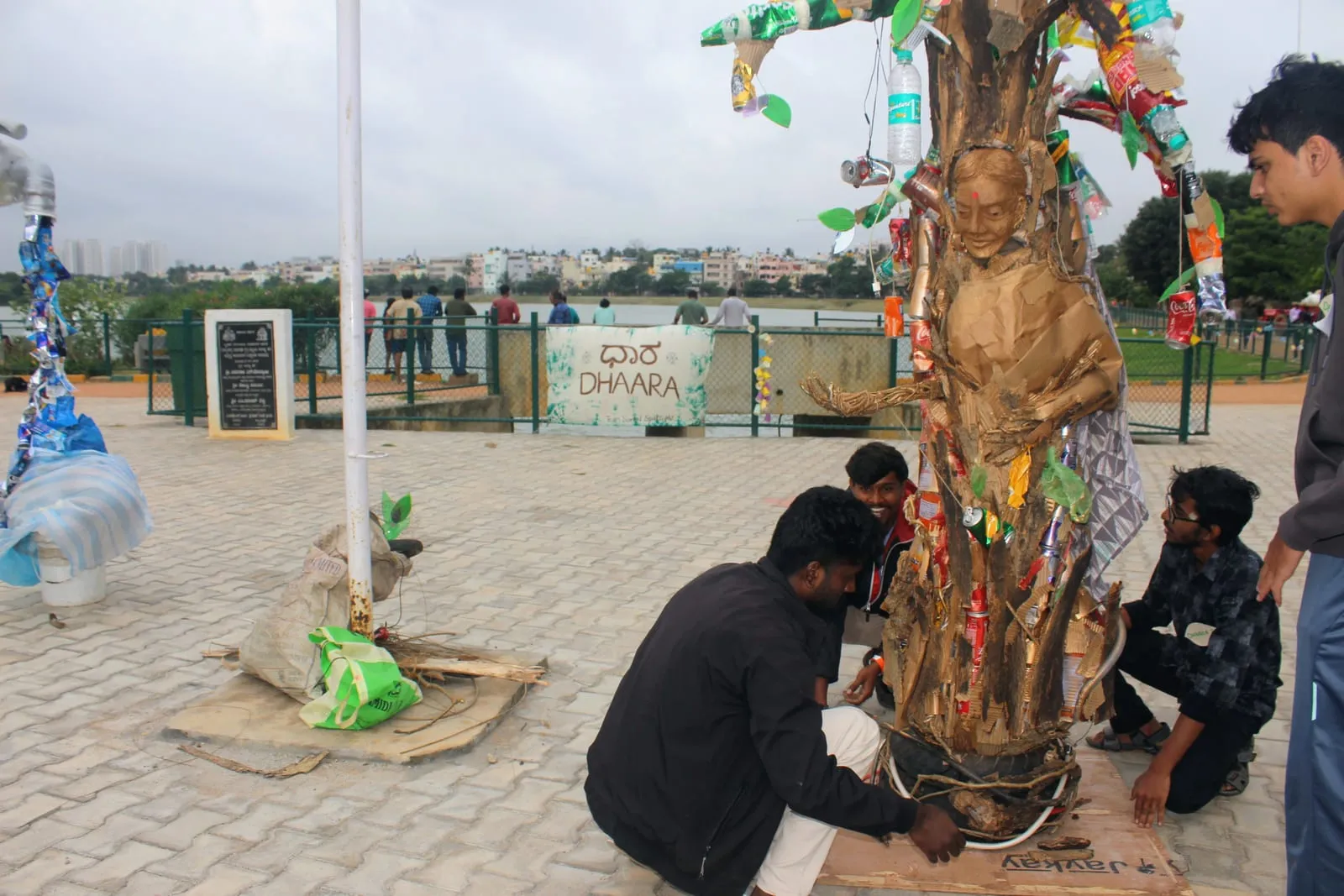
- Lake rejuvenation: students from local colleges adopt water bodies like Sarakki Lake for cleanup and maintenance.
- Rural immersion: many colleges organize week-long “Gram Seva” camps to expose urban students to rural governance.
- Tech for good: hackathons focused on Bangalore’s traffic and waste management problems are common.
Faculty coordinators and student volunteering opportunities
The success of college social responsibility rests on two things: a range of opportunities and strong faculty leadership.
Student opportunities:
- Volunteering: traffic warden assistance, voter awareness and teaching at government schools.
- Internships: working with NGOs on operations, fundraising or event management.
The faculty role: faculty coordinators are the backbone of these programs. They vet NGOs for safety, map activities to learning outcomes (like PO6 and PO7) and sign off on student hours. Manual tracking, though, often becomes a bottleneck.
Need projects that match your students’ skills? Browse Sceen’s list of social internships and projects on upcoming activities.
How Sceen supports college social responsibility
Managing hundreds of students across different NGOs is a logistical challenge. Sceen works as a digital partner that helps colleges run their college social responsibility programs with less effort.
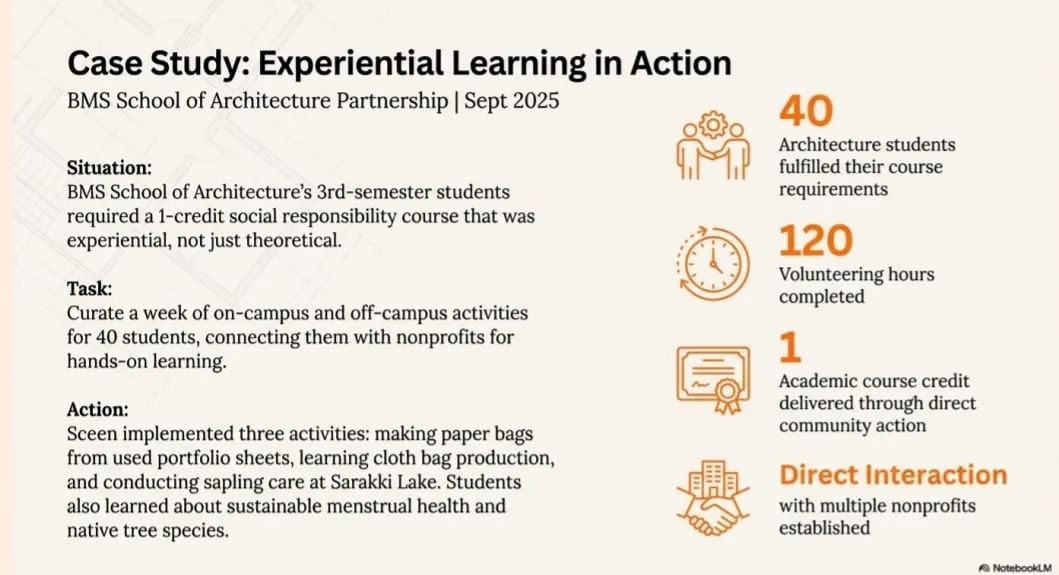
Case study: BMS School of Architecture, September 2025
- Situation: BMS School of Architecture’s 3rd-semester students needed a 1-credit social responsibility course that was experiential rather than theoretical.
- Task: curate a week of on-campus and off-campus activities for 40 students, connecting them with nonprofits for hands-on learning.
- Action: Sceen ran three activities: making paper bags from used portfolio sheets, learning cloth bag production, and sapling care at Sarakki Lake. Students also learned about sustainable menstrual health and native tree species.
- Results: 40 architecture students fulfilled their course requirements, completing 120 volunteering hours and 1 academic course credit through direct community action, and built direct contact with several nonprofits.
You can see more of this work on our impact page.
Sourcing volunteering and projects
Colleges often struggle to find reliable partners. Sceen brings together:
- Volunteering slots: open shifts with NGOs.
- Live projects: technical projects (for example, building websites for nonprofits) that count as internships.
Simplifying compliance and reporting
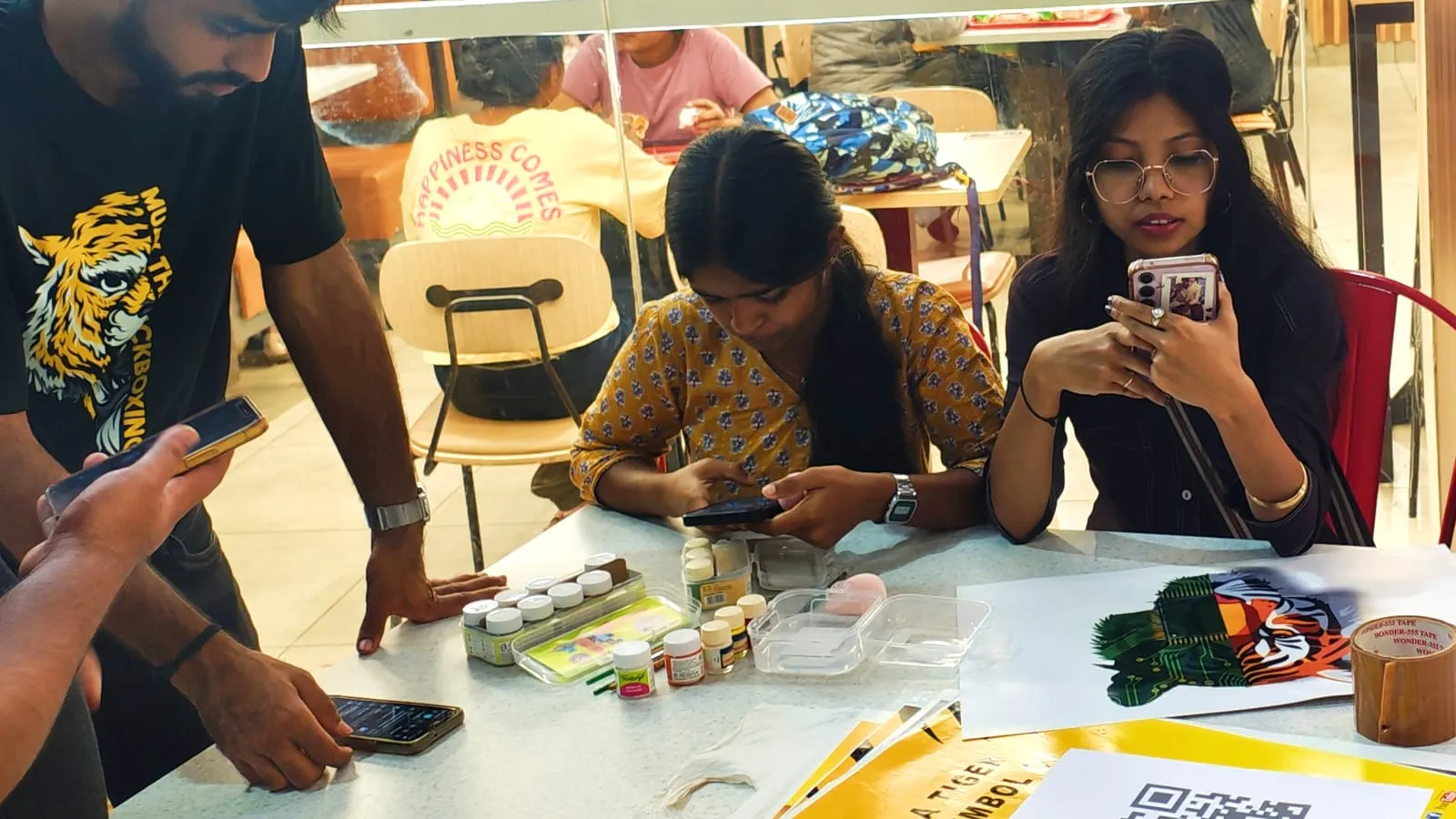
Sceen takes some of the data work out of AICTE and NAAC reports. Students log their hours on Sceen, upload check-in and check-out photos as proof of attendance, and can request a certificate for each completed activity. Here’s how to get a volunteering certificate from Sceen.
Bridging the gap
By connecting colleges directly to the social sector, Sceen helps make college social responsibility about real, completed work with certificates to show for it, rather than a box to tick.
Successful college social responsibility changes education by combining academic rigour with community impact.
Ready to turn compliance into culture? Partner with Sceen or explore our college volunteering programs to run your college social responsibility program.