A citizens’ movement to bring water back to this lake. The name, word by word:
- Srigandhada: sandalwood
- Kavalu: tree branch
- Kere: lake
- Habba: festival
The Habba
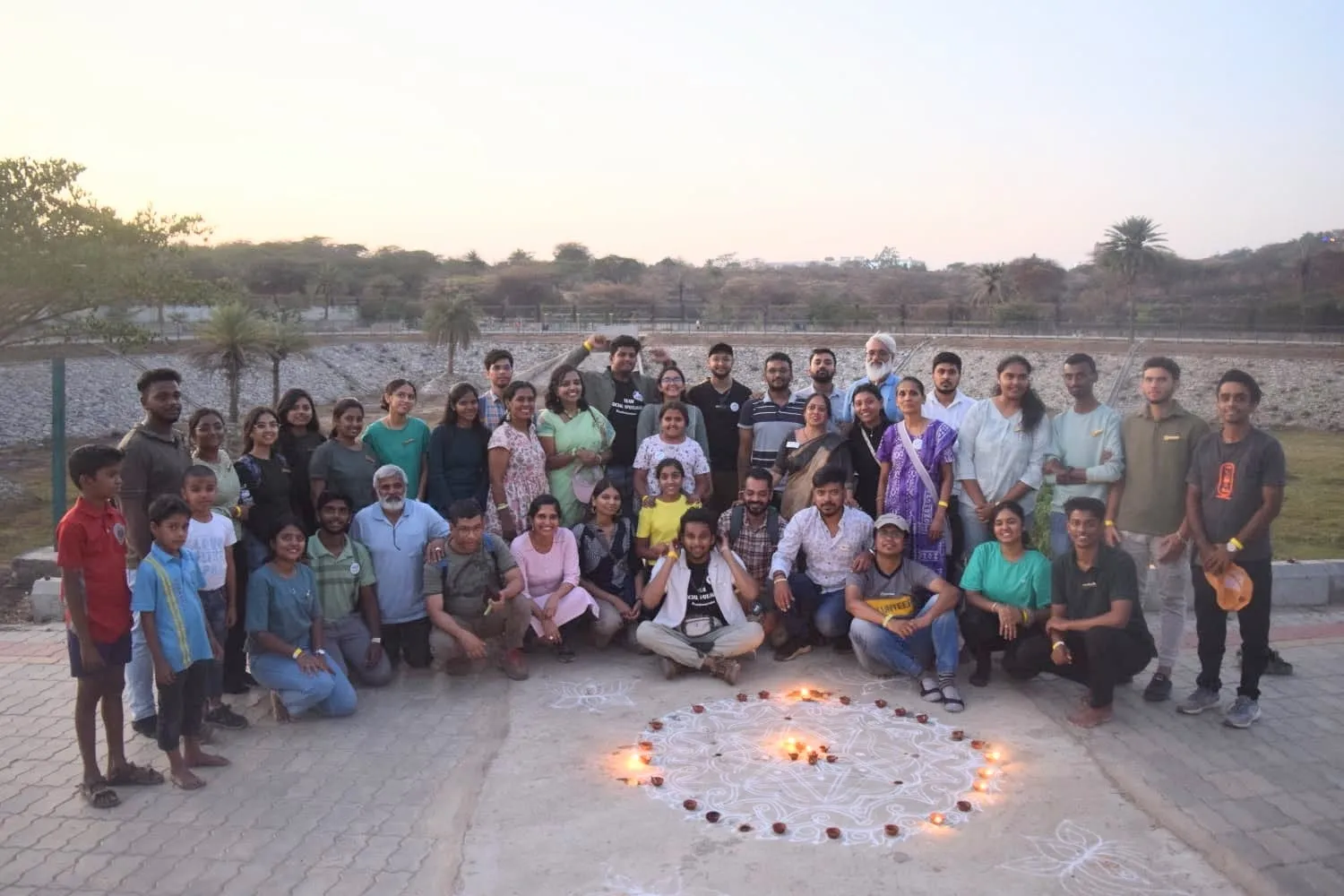
On 15 March 2025, more than 400 volunteers, school children, college students, performers, social enterprises, activists and curious visitors gathered at the Srigandhadakavalu lake near Sunkadakatte to celebrate our environment and our lakes.
Kere Connect Habba, a series of festivals across different lakes of Bengaluru, is the outcome of a partnership between enterprises, NGOs, active citizens, local groups and civic agencies. It had earlier been held at the lakes of Thalaghattapura, Gunjurpalya and Avalahalli.
The Habba was sponsored by DCB Bank, driven by India Cares Foundation, implemented by lake conservationists Friends of Lakes and supported by Team Social Spotlight NGO. It ran on the shoulders of 90+ volunteers from NGOs, civil defence groups, college student clubs, enthusiastic parents and Sceen, who handled registrations, coordination, food and logistics.
Join the Habba’s Sceen to connect with others who were there.
Habba activities
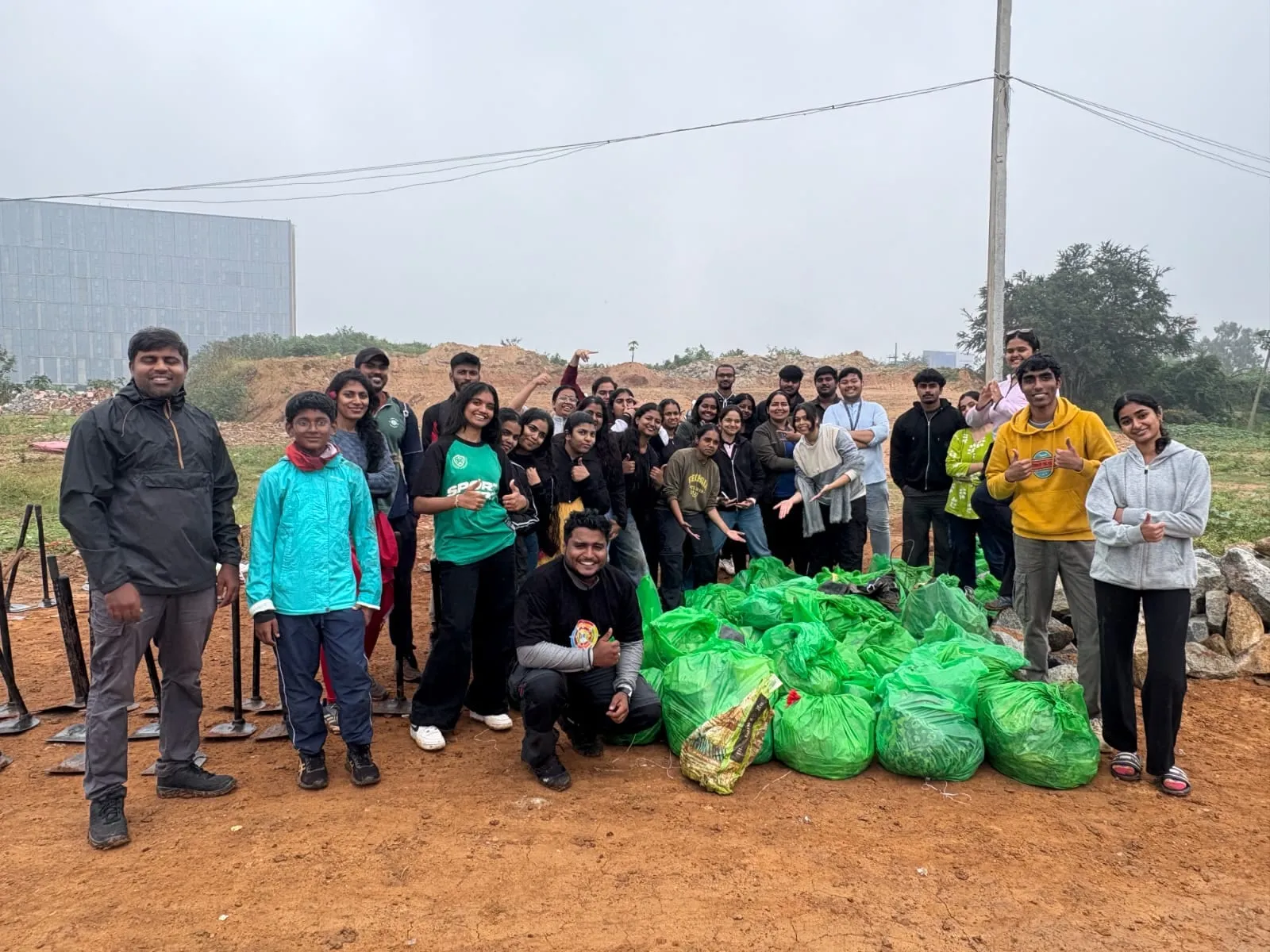
Early in the morning, students led a “plog” run to raise awareness about keeping public spaces clean.
By 9 am, more than 200 students from classes 1 to 9 had arrived from various schools for the painting competition, accompanied by teachers, parents and guardians. The students were registered, given stationery and 2 hours to paint their hearts out. Their topics were lake conservation and the environment.
Environmental activist, Kere Mitra and a true steward of the lake, Shobha Bhat ji, addressed the audience and shared her journey of bringing life, awareness and water back to this lake.
Activist Akshay Heblikar (from ECO Watch) engaged the curious students from Shanthidhama school on the importance of lakes and the role of the Kaveri river in the city. To share what he has learned about terrace gardening and home composting, Mr. Rajendra Hegde demonstrated how to prepare fertiliser from household waste instead of throwing it away.
Visitors were treated to a range of activities, from pottery to coconut leaf origami. Even the adults revisited their childhood with Holi colours and desi games.
The cultural programme put a variety of Indian art forms on display. It started with bhajans and Ganesha vandane by school children, followed by Bharatanatyam and a yoga asana exhibition. The Nritya Bhajane group and Karnataka’s Janapada songs by Dr. Amogh got the crowd going.
As the sun went down, we prepared for the final activity of the day, the Aarti, to remind everyone that rivers and water sources are bodies of life.
What Next?
At the time of the Habba, the lake needed greater awareness and support from civic agencies to restore water to it. Before that could happen, several hurdles had to be cleared: illegal burning, blocked inlets and other security problems.
We were pleased to see local residents taking ownership of sapling care and bringing water from their homes every day to help the plants at the lake grow. As a token of appreciation, a sapling naming ceremony was organised for 20 March at 5 pm.
Restoring the lake takes many kinds of work: sapling care, engaging civic bodies, conducting surveys, and preparing detailed project reports for the lake authorities so that resources can come in.
To volunteer at lakes and elsewhere in Bengaluru, see upcoming activities or our list of places for volunteering in Bangalore that need help right now.